Man and Van Newport: Prices, Valleys and the Bridge
Newport drivers work in four directions: across the city, west to Cardiff, east over a Severn crossing that no longer charges a toll, and north up the valleys where the mileage is short but the roads are slow. Here is what a man and van in Newport costs and which NP areas drivers actually cover.
How much does a man and van in Newport cost?
Hourly, with a one or two-hour minimum. National estimates put a solo driver near £64 an hour and about £78 with a second person (Checkatrade, 2026). South Wales operators often sit below a London-weighted figure.
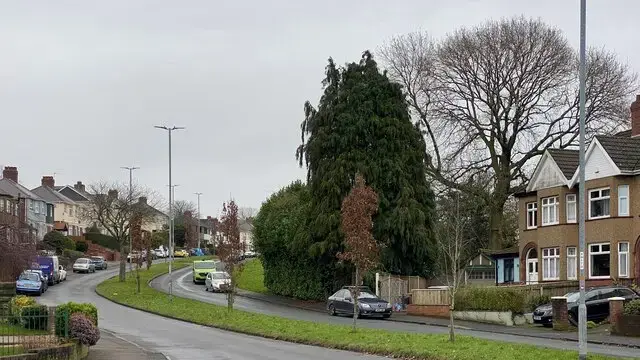
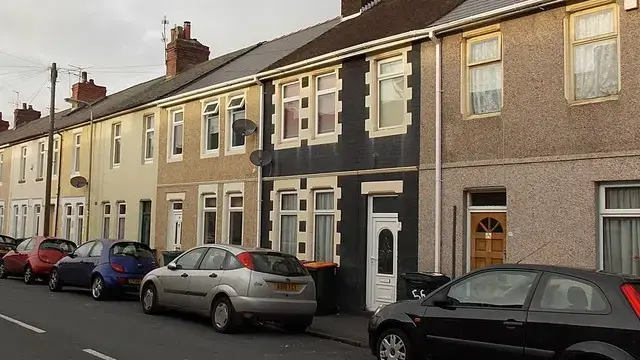
Access does most of the work in the price. Maindee and the Stow Hill streets are terraced with on-street parking and in places a gradient; Bettws and Ringland are postwar estates where the van reaches the door.
Past a two-bed, a fixed-price crew beats hourly per item. The removal costs guide covers prices by property size and the cost calculator checks a quote.
Four directions, four different jobs
West to Cardiff is twelve motorway miles and prices almost like a local move. East to Bristol is twenty-five over the Severn — and since tolls were abolished at the end of 2018 there is no bridge charge, though plenty of people still budget for one.
North is the one that catches drivers out. Cwmbran, Pontypool and Abergavenny are not far in miles, but the roads narrow and climb, so the journey takes longer than the map suggests and an hourly booking feels it.
- Say which direction the move runs — it changes the timing.
- Do not accept a Severn toll line on a quote; there is no toll.
- Flag a gradient if your street is on Stow Hill or similar.
- Give both full postcodes rather than place names.
Get man and van quotes in Newport
How far does an NP driver go?
The city is routine: Maindee, Stow Hill, Caerleon, Bettws, Ringland and the newer estates east.
NP then runs well beyond it — Cwmbran NP44, Pontypool NP4, Abergavenny NP7, Chepstow NP16 right on the border. Most drivers cover a good part of that.
Because place names appear in both Welsh and English, the postcode is the reliable way to say where you mean. Give both ends and the right drivers answer.
Which van size fits your load?
Short-wheelbase Transit for a room or a few large pieces; long-wheelbase for a studio or a small one-bed; a 3.5-tonne Luton with tail-lift for a one or two-bed flat.
Two local caveats. On the Stow Hill terraces a tail-lift needs level ground and may not get it. And on the narrower valley roads north, a Luton is slower than a smaller van doing two runs.
Hourly or a fixed price?
Up to a two-bed, hourly usually costs less. Beyond that a fixed-price crew moves more per hour and caps the bill. The honest version is that a man and van is cheaper because you pack and often carry.
For a full house, compare removal companies in Newport. If the property needs emptying rather than moving, house clearance firms quote that separately.
Booking it without overpaying
Compare several prices and say which direction you are going. In a city with four very different routes out, that one detail does most of the work.
- Name the destination direction, not just the postcode.
- Query any toll line on a Severn crossing.
- Ask about minimum bookings and part-hour rounding.
- Confirm fuel and waiting time are included.
- Mid-month and mid-week price better than month-end.
Welsh and English names, and why the postcode wins
Newport sits in a bilingual area, and a good many places carry two names or two spellings. Casnewydd is Newport; Cwmbrân and Cwmbran appear interchangeably; road signs give both languages as a matter of course.
None of that is a problem until it reaches a booking form. A street name typed one way and searched another is how a driver ends up at the wrong end of the right town, and on an hourly job that is billed time.
The postcode settles it every time. Give both ends in full, and the place names become useful context rather than the thing the driver is relying on.
The same applies to the valley towns north of the city. Pontypool, Blaenavon and Abergavenny all have addresses that read similarly on a form, and the roads between them are slower than the mileage suggests. A full postcode at both ends removes the ambiguity and lets the driver plan a realistic time rather than a hopeful one.
If something gets damaged
It happens, usually to a door frame rather than the furniture. What matters is how it is handled, and that is much easier if you have agreed the ground rules beforehand.
Photograph anything valuable before it goes in the van, and photograph any existing damage at both properties. It takes five minutes and it removes the entire argument about whether a mark was already there.
Ask how a claim would work — direct with the driver, or through their insurer, and what the excess is. A driver who has thought about it will answer straight away.